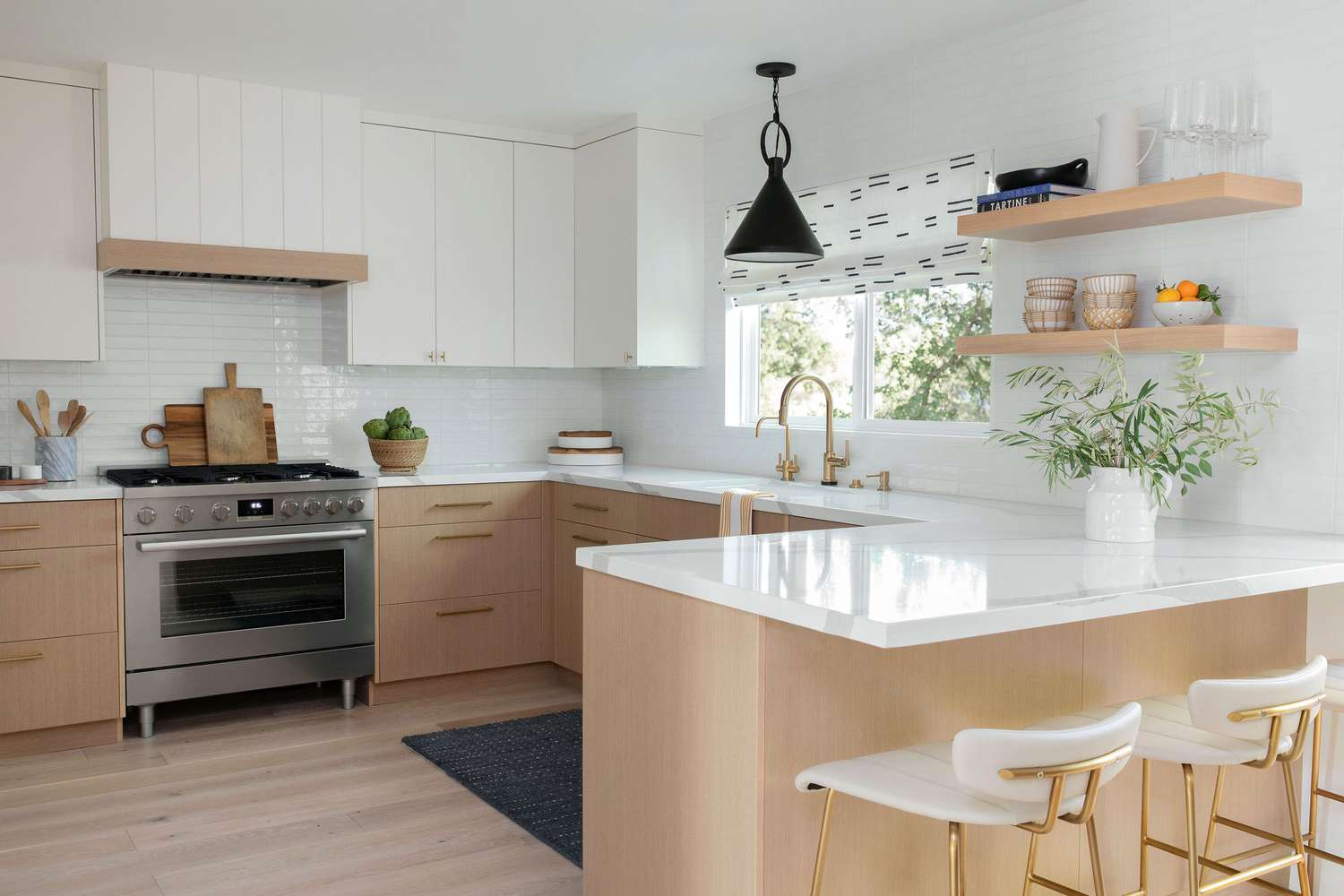
"The kitchen has become the most important room in the house — and the most personal. It's where design has to work the hardest."
Walk into any kitchen designed in the last decade and you'll notice something has shifted. The space that was once hidden away — tucked behind a wall or separated by a swinging door — has become the undisputed heart of the modern home. Open-plan living pushed kitchens to center stage, and designers have responded with spaces that are as considered, as layered, and as beautiful as any formal living room.
But beauty without function is just theater. The kitchens that endure — the ones you keep seeing in magazines years after they were published — manage to balance both. They feel right. And understanding what "right" means is the foundation of any great kitchen design.
Cabinetry: The Architecture of the Kitchen
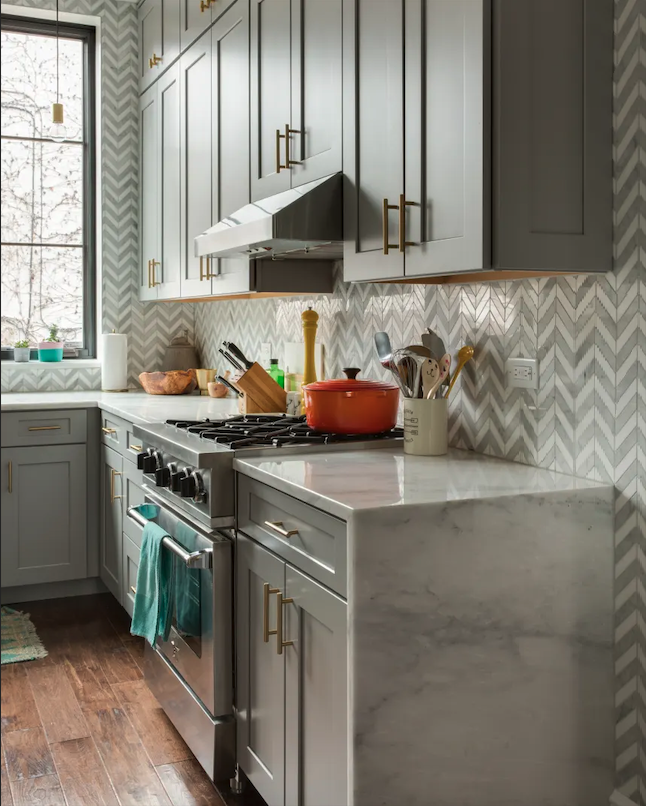
Nothing defines a kitchen's character more than its cabinetry. It's the architecture — the bones that everything else hangs on. And yet it's also one of the easiest places to get wrong. Too fussy, and the kitchen feels dated within a few years. Too minimal, and it can read as cold or clinical.
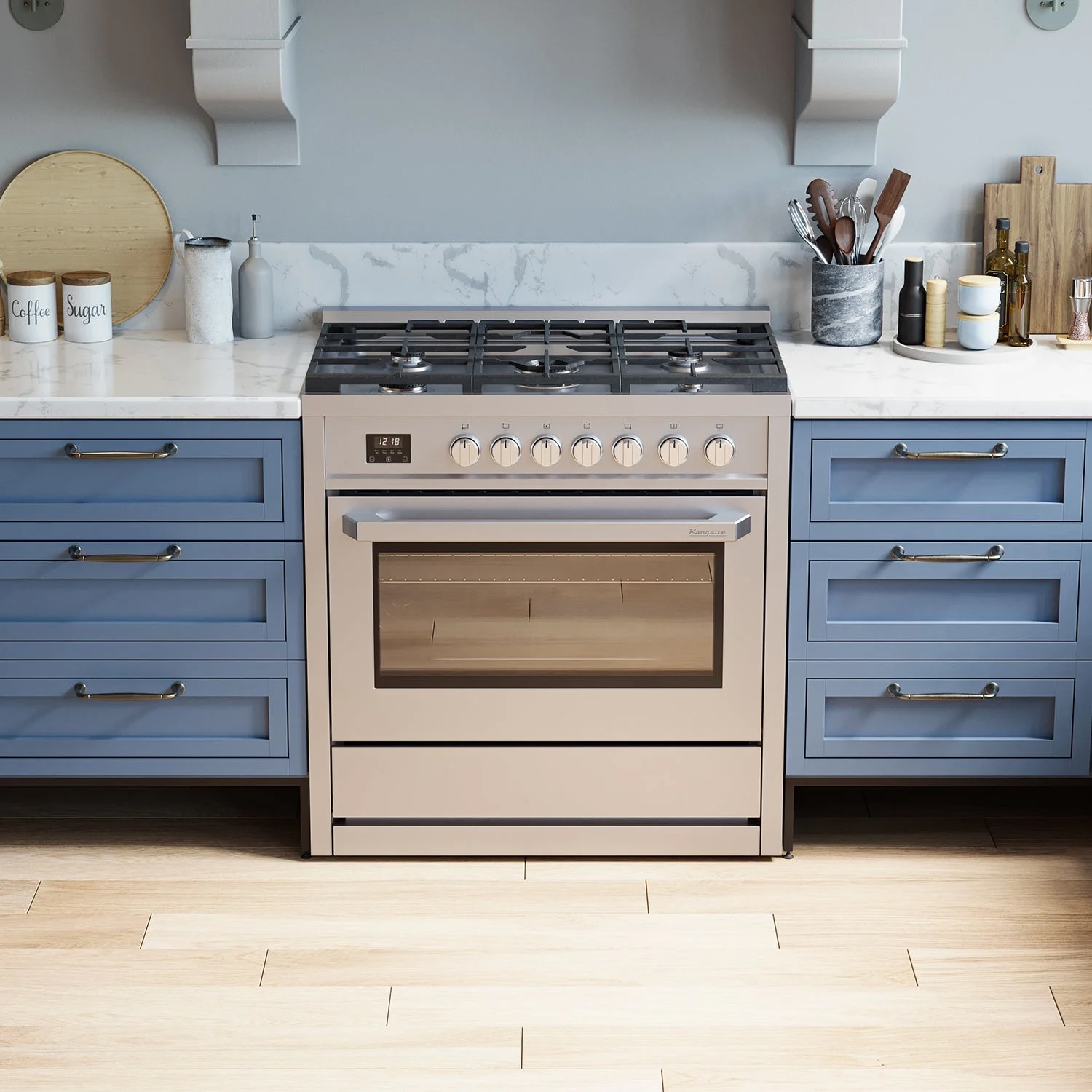
The sweet spot for most designers right now is what some are calling "warm minimal" — flat-front or simple shaker-profile doors in muted, earthy tones. Think warm white, soft sage, dusty clay, or the increasingly ubiquitous greige. Painted wood has a depth and warmth that lacquer can't quite replicate, and it ages beautifully rather than showing every smudge and scratch.
Hardware is where kitchens get their personality. Brushed brass and unlacquered bronze are having an extended moment — they patina over time, developing character rather than looking permanently pristine. Slim bar pulls in a cool matte black offer a clean counterpoint to warmer cabinet tones. And in truly minimal kitchens, integrated push-to-open systems eliminate hardware entirely, creating an unbroken surface plane that feels almost architectural.
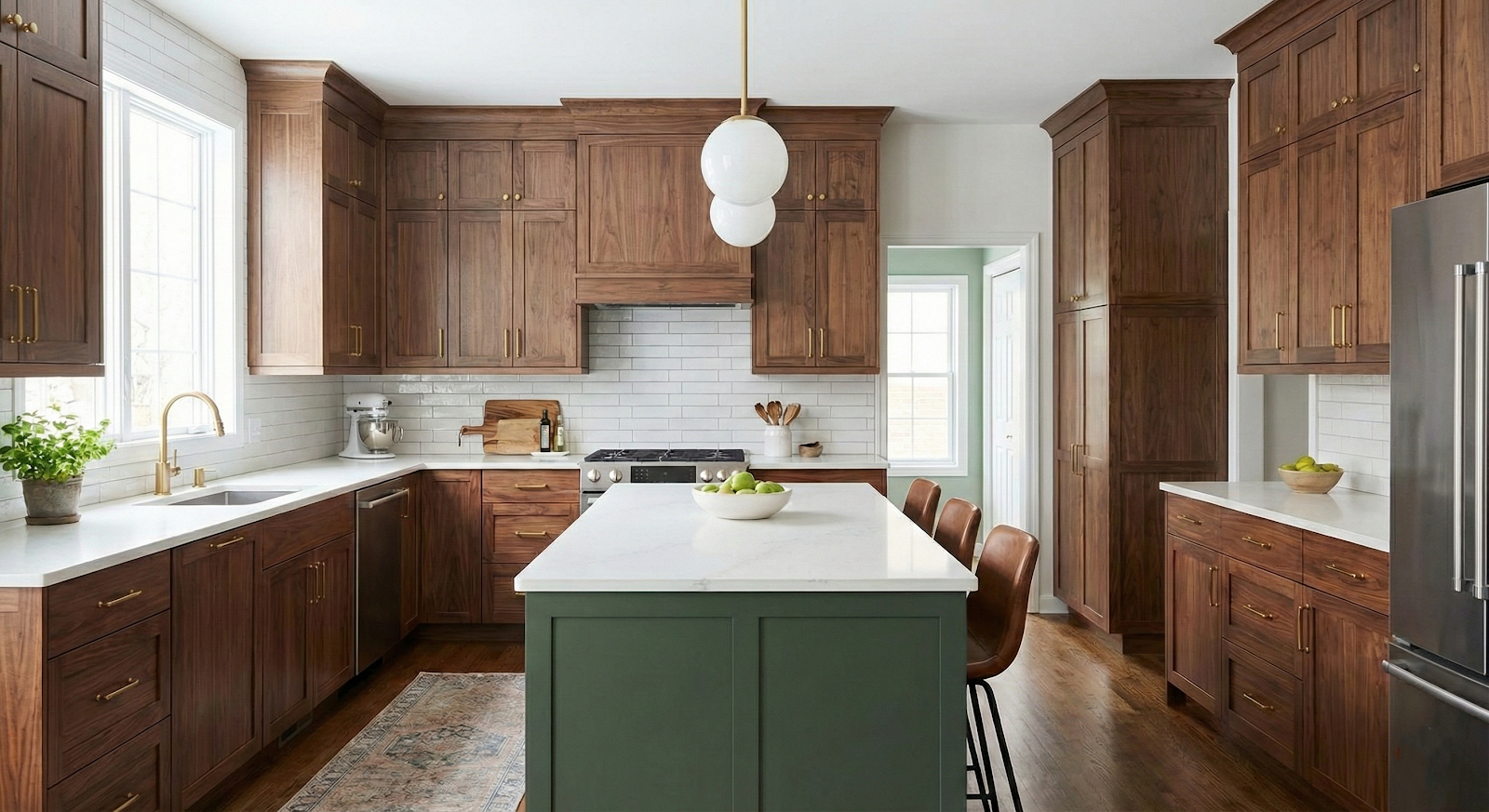
"The best kitchens have a logic to them — a sense that every decision was made deliberately, with the way the space is actually used in mind."
Countertops: Earning Their Keep
Countertops are one of the few surfaces in any home that take real, daily abuse — hot pans, acidic foods, knife edges, spilled wine. So material selection isn't just an aesthetic choice; it's a practical one that will define how you experience your kitchen every single day.
Marble, and specifically honed Calacatta or Statuario marble, remains the aspirational choice for those who can accept its demands. It stains. It etches. It requires sealing. And many designers and homeowners love it all the more for it — there's a romance to a surface that records the life lived on top of it. The key is leaning into the natural aging rather than fighting it.
For the uncompromising, engineered stone offers near-identical aesthetics with dramatically less maintenance. The technology has improved to the point where even experienced designers occasionally have to look twice. Quartzite — a metamorphic rock that's harder and denser than marble — splits the difference: genuinely natural stone with somewhat more forgiving properties.
For those who prefer warmth over drama, butcher block brings an irreplaceable organic quality to kitchen surfaces. Walnut and white oak are the current favorites, often used as an accent surface on islands or prep areas rather than across the full run of counters. Oiled and maintained properly, they can last decades and improve with age.
The Island: Anchor, Statement, Gathering Place
Once a purely functional addition to larger kitchens, the island has evolved into the signature piece of contemporary kitchen design. Today's islands do everything — they provide additional prep and storage space, yes, but they also serve as informal dining areas, homework stations, cocktail-making counters, and the natural gathering point when people arrive at a party.
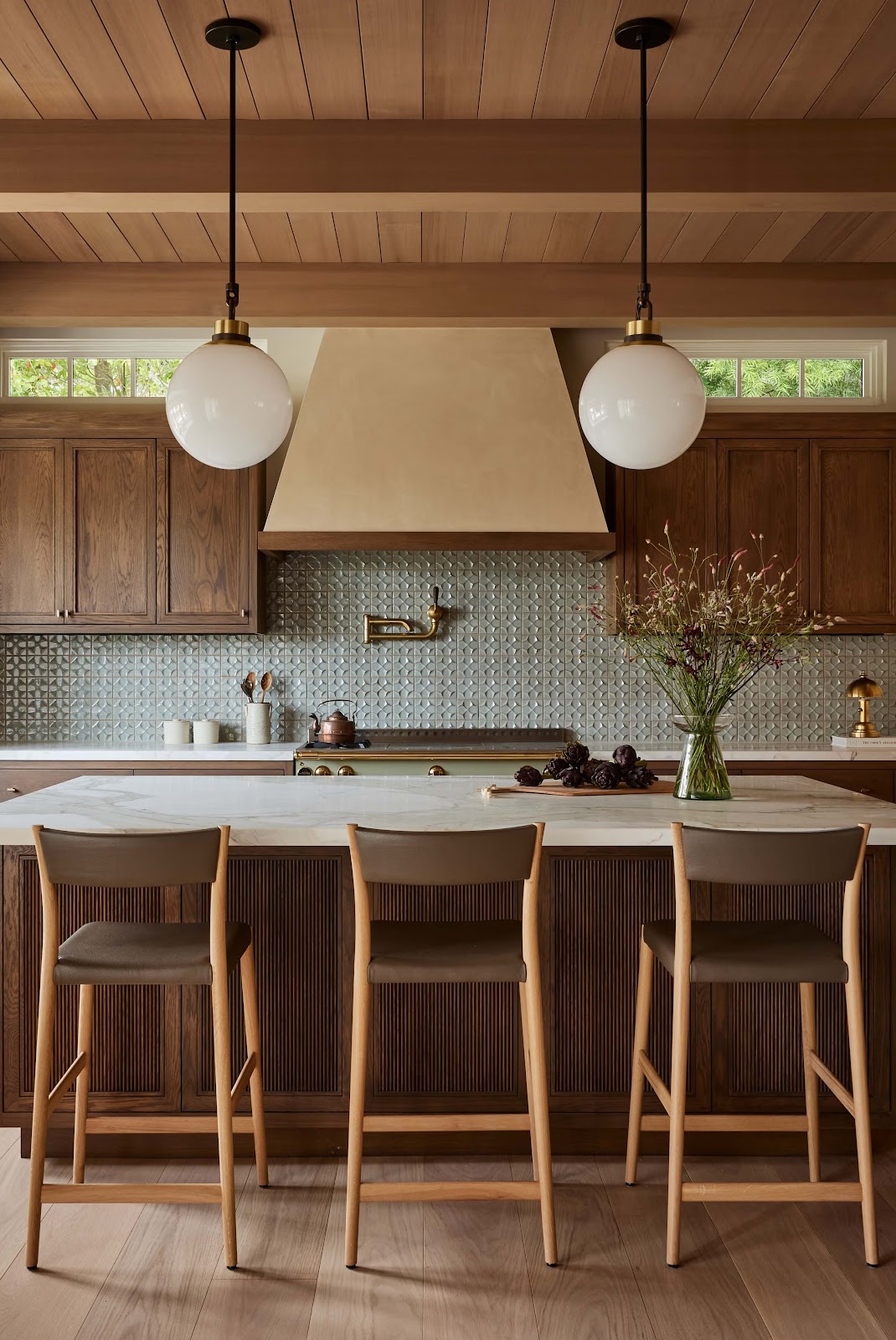
The most interesting islands right now are those that break from the monotony of matching. A kitchen with white upper and lower cabinets becomes far more dynamic when the island is painted a deep forest green, warm terracotta, or even a rich navy. Different countertop materials — wood island top against marble perimeter counters — add another layer of considered contrast.
Seating is an island conversation worth having early in the design process. Counter-height (36 inches) keeps guests at the same level as someone standing and working — ideal for socializing. Bar height (42 inches) creates more of a lounge-bar effect but requires specific stools that are harder to find in interesting designs. Most designers default to counter height for exactly that reason.
Lighting: The Difference Between Good and Great
More kitchen renovations fail on lighting than on almost any other element. The scenario is familiar: a beautiful space that feels flat and harsh under the glare of recessed LEDs doing all the work. Great kitchen lighting is layered — ambient, task, and accent working together to create a space that transitions from bright and functional during a Sunday morning cooking session to warm and atmospheric at a dinner party.
Over the island, pendant lights are doing more design work than ever. The current sensibility favors scale — pendants that are slightly larger than you'd expect, hung slightly lower than convention suggests. Blown glass in amber or smoke tones, sculptural ceramic forms, and articulated metal designs all have a place here, as long as they're confident enough to hold visual weight against the mass of an island below.
Under-cabinet lighting — once an afterthought often poorly executed — is now considered essential by most serious kitchen designers. Recessed LED strips or slim linear fixtures mounted beneath upper cabinets cast light directly onto the work surface, eliminating shadows and making prep significantly safer and more pleasant. The color temperature matters enormously here: 2700K is warm and flattering; 3000K is crisper and more clinical. For kitchens, most designers favor the warmer end of that range.
The Details That Make the Difference
A truly finished kitchen lives in its details. The reveal between cabinet doors, precisely aligned. The backsplash tile set in a pattern that references but doesn't mimic vintage forms. The faucet that feels substantial in the hand. The small pot shelf built into an alcove beside the range.
Backsplashes are perhaps the most democratically expressive element in the modern kitchen — the place where personality is permitted even in the most restrained designs. Zellige tile (the hand-made Moroccan ceramic with its characteristic variation and irregular glaze) has become nearly ubiquitous, and for good reason: its imperfections catch light beautifully and age gracefully. Handmade subway tile in softer, off-whites serves a similar function at a lower price point. And for those who want to make a statement, a single slab of marble or quartzite running from counter to ceiling behind the range creates something closer to art than architecture.
Whatever choices you make, the kitchen that will age best is the one that was designed to be used — where the materials were chosen with an understanding of how they'd perform over time, and where the layout reflects the actual rhythm of how you cook, entertain, and live.